Trending
30-Day Strength Challenge — Week 3 Now Live New: High-Protein Meal Prep Guide for Busy Women Study: Resistance Training Reduces Injury Risk by 40% Reader Spotlight: Sarah Lost 22 lbs with Progressive Overload Recovery Week — Why Rest Is Part of the Program Beginner's Guide to Barbell Training Just Updated 30-Day Strength Challenge — Week 3 Now Live New: High-Protein Meal Prep Guide for Busy Women Study: Resistance Training Reduces Injury Risk by 40% Reader Spotlight: Sarah Lost 22 lbs with Progressive Overload Recovery Week — Why Rest Is Part of the Program Beginner's Guide to Barbell Training Just Updated
Featured · Calisthenics

The Power Within: Calisthenic Fitness Routines for Women

No gym required. Build functional strength, lean muscle, and total-body coordination using only your bodyweight — with routines that fit any schedule.

Claire Dubois Claire Dubois · Aug 23, 2026 · 7 min read
By the Numbers
0$
Equipment Cost
15m
Min. Session
4w
Visible Gains
3
Levels: Beg–Adv
Fitness · Women's Strength Training · Full Program

The Complete Fitness Routine for Women

A 12-week framework built on strength, consistency, and real results
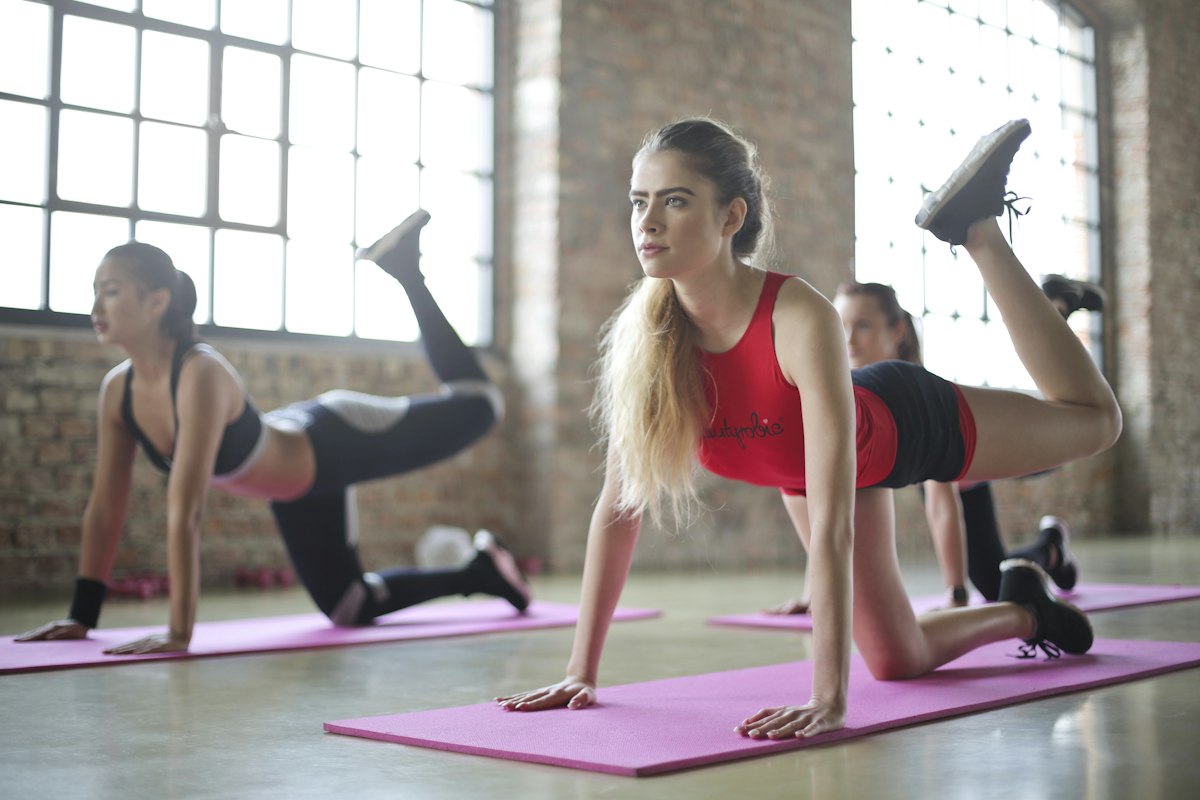
Woman training in a gym

The fitness industry has spent decades selling women on the idea that smaller is better — lighter weights, more reps, cardio over everything. The science tells a different story. Resistance training is among the most effective tools available for improving body composition, bone density, metabolic health, and long-term quality of life. This program is built around that truth.

What follows is a practical, four-day-per-week training framework designed to work for women at any starting point. It scales from beginner to advanced, prioritizes compound movements, and builds in the recovery time your body actually needs to adapt and grow stronger.

The Core Principles

1
Progressive Overload — Each week, you do a little more than the week before. More weight, more reps, or less rest. Without this, you plateau. With it, you improve indefinitely.
2
Compound First — Squats, deadlifts, rows, presses. These movements work multiple muscle groups at once, burn more energy, and build functional strength that carries into everyday life.
3
Consistency Over Intensity — A moderate workout completed four times a week beats an intense workout done once. Show up, do the work, repeat.
4
Rest is Training — Muscle is built during recovery, not during the workout. Sleep, rest days, and adequate nutrition are non-negotiable parts of the program.

Your Weekly Schedule

DayFocusKey MovementsDuration
Monday Lower Body — Strength Squat, Romanian deadlift, lunges, leg press 45 min
Tuesday Upper Body — Push Bench press, shoulder press, tricep dips, push-ups 40 min
Wednesday Rest / Active Recovery Walk, yoga, light stretching 20–30 min
Thursday Upper Body — Pull Deadlift, rows, lat pulldown, face pulls, curls 45 min
Friday Lower Body — Power Hip thrusts, step-ups, Bulgarian split squats, calf raises 45 min
Sat–Sun Full Rest Sleep, eat, recover — this is mandatory, not optional

Equipment You Need

Gym Option Barbell, dumbbells, cable machine, bench — standard commercial gym setup
Home Option Adjustable dumbbells, resistance bands, and a sturdy bench cover most of the program
Beginner Swap Bodyweight versions of every movement are available in weeks 1–3 while you build confidence

Nutrition Basics

You do not need to count every calorie to see results, but protein intake matters more than most people realize. Aim for 0.7–1g of protein per pound of bodyweight daily. Prioritize whole foods, don't fear carbohydrates (they fuel your training), and stay consistently hydrated. The program will not work without adequate fuel.

Supplements worth considering: creatine monohydrate (one of the most well-researched performance supplements, safe and effective for women), vitamin D if you're deficient, and magnesium for recovery and sleep. Everything else is optional.

Tracking Progress

The scale is one data point, not the whole picture. Track your lifts — if your squat goes from 65 lbs to 115 lbs over 12 weeks, you've made remarkable progress regardless of what the scale says. Take monthly photos, note how your clothes fit, and pay attention to energy levels and sleep quality. Those numbers tell the real story.

Commit to twelve weeks. Trust the process week by week, stay consistent even when motivation drops, and let the compound effect of daily effort build the results you're after.
Fitness · Calisthenics · Women's Training

The Power Within: Calisthenic Fitness Routines Designed for Women

Build strength, tone, and confidence — no gym required
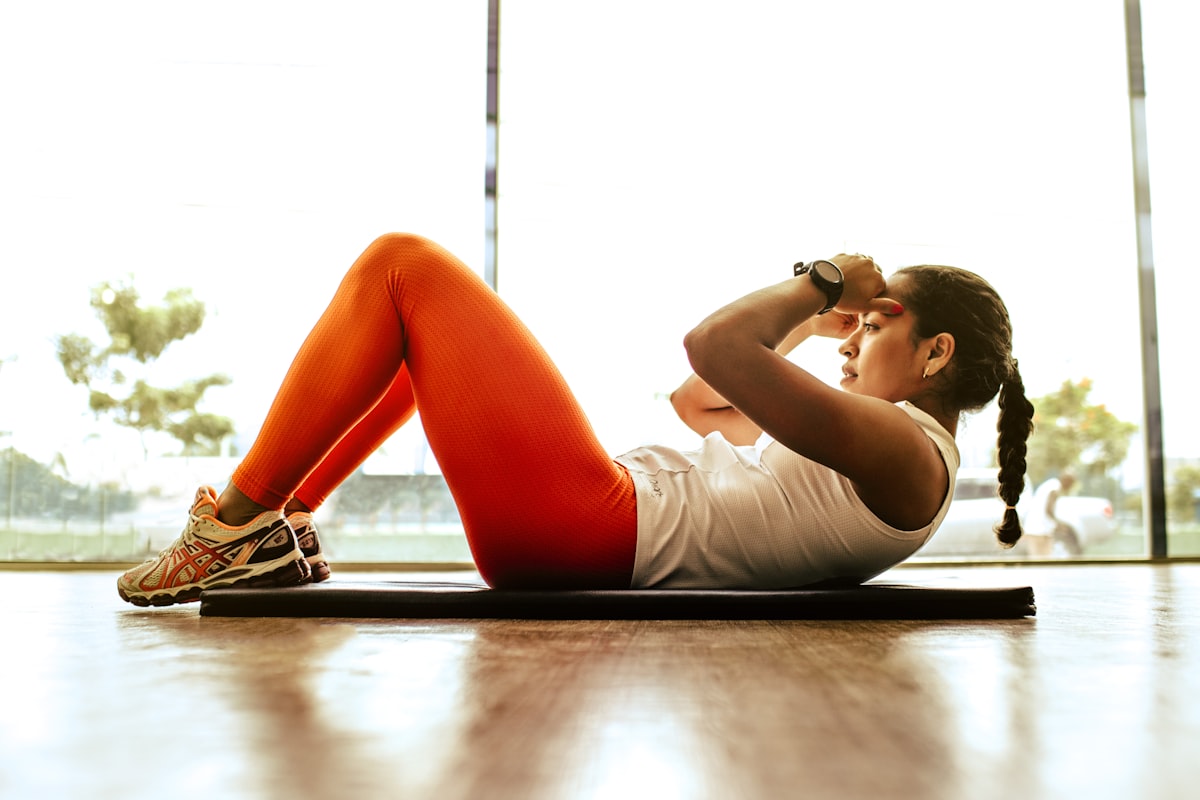
Woman training outdoors

In an era where fitness trends come and go, one style of training has stood the test of time: calisthenics. Often misunderstood as little more than jumping jacks and push-ups, this bodyweight system offers something far more valuable — functional strength, lean muscle mass, and total-body coordination that adapts to real physical demands.

For women in particular, the advantages are becoming increasingly clear. You don't need a gym membership, expensive equipment, or hours of free time. This guide provides beginner-friendly routines that build confidence while creating visible strength gains within the first four weeks of consistent training.

Why Calisthenics Works for Women

1
No Equipment Needed — Save for a pull-up bar for certain progressions, every routine here requires nothing but a floor and your body.
2
Fully Scalable — Every movement has easier and harder variations, so you progress at your own pace without hitting a wall.
3
Lean Muscle Without Bulk — Bodyweight training builds toned, functional muscle rather than mass, which aligns with most women's fitness goals.
4
Long-Term Bone Density — Weight-bearing bodyweight exercises improve bone density over time, an increasingly important benefit as women age.

Session Formats by Schedule

FormatDurationBest For
Morning Circuit 15 min or less Quick energy boost before work; building a daily habit
Midday Intervals 20–30 min Fitting training into a tight lunch break or between responsibilities
Evening Wind-Down 30–45 min Releasing built-up stress; deeper work before sleep

Push-Up Variations — Chest, Triceps & Shoulders

The push-up family is the cornerstone of upper-body calisthenics. Work through these progressions in order, mastering each before moving to the next. Train this pattern 2–3 times per week, allowing at least one rest day between sessions.

LevelExerciseReps per SetKey Notes
Beginner Modified Knee Push-Up 8–10 Prioritize form over speed. Keep elbows at roughly 45° — not flared wide — to protect shoulder stability.
Intermediate Standard Push-Up Start at max, build weekly Hands shoulder-width apart, fingers spread. If wrists are uncomfortable, elevate hands on a low step or yoga blocks.
Intermediate Decline Push-Up 5–8 Hands on a bench or chair. Shifts emphasis toward triceps with shorter lever arms on the shoulder joint.
Advanced Pike Push-Up 5–8 Hips elevated in an inverted V. Mimics an overhead press pattern and builds shoulder strength for handstand progressions.

Form Cues That Matter

Elbow Angle 45° from your torso — not tucked straight back, not flared at 90°. This position protects the shoulder joint and maximizes chest activation.
Core Tension Brace your abs as if bracing for a punch. A rigid core transfers force efficiently and protects your lower back throughout every rep.
Full Range Chest to floor on the way down, arms fully extended on the way up. Partial reps limit muscle development and mask weaknesses.
Pain vs. Discomfort Mild muscle burn is normal and expected. Sharp or joint pain is a stop signal — modify the movement or rest before continuing.

Recovery Is Not Optional

Muscle tissue repairs and grows during rest, not during the workout itself. Training the same muscle group two days in a row without adequate recovery slows progress and increases injury risk. Allow 48 hours between sessions targeting the same body region, prioritize 7–9 hours of sleep, and stay well hydrated. Mild soreness 24–48 hours after training is a normal sign of adaptation — sharp or persistent pain is not.

Consistency over four weeks will produce visible results. Commit to showing up, progress each movement when it feels manageable, and trust the process.